
Features of Builders Tarps for Construction
- Clever Chilly Yasini Swagon
- Jan 1
- 4 min read
In construction, protecting materials and work areas from weather and debris is essential. One of the most practical tools for this is a builders tarp. Builders tarps are designed specifically for the demands of construction sites. They offer durability, flexibility, and protection that standard tarps cannot match. In this post, I will explain the key features of builders tarps and why they are a smart choice for construction projects.
Key Features of Builders Tarps
Builders tarps have several important features that make them suitable for construction use. These features ensure that the tarp can withstand tough conditions and provide reliable coverage.
Durability: Builders tarps are made from heavy-duty materials like polyethylene or canvas. These materials resist tearing, punctures, and abrasion. This durability is crucial on construction sites where sharp tools and rough surfaces are common.
Water Resistance: Most builders tarps are waterproof or water-resistant. This feature protects building materials and equipment from rain and moisture. It also helps keep work areas dry, reducing delays caused by wet conditions.
UV Protection: Exposure to sunlight can degrade many materials. Builders tarps often include UV inhibitors that prevent damage from the sun’s rays. This extends the tarp’s lifespan and protects covered items from fading or deterioration.
Reinforced Edges and Grommets: The edges of builders tarps are usually reinforced with extra stitching or webbing. Metal grommets are spaced evenly along the edges for secure fastening. These reinforcements prevent tearing when the tarp is tied down or stretched.
Size and Weight Options: Builders tarps come in various sizes and weights. Lightweight tarps are easy to handle and suitable for temporary covers. Heavyweight tarps provide maximum protection and are ideal for long-term use.
These features combine to make builders tarps a reliable choice for construction sites. They protect materials, improve safety, and help maintain project timelines.

Why Builders Tarps Are Essential on Construction Sites
Construction sites face many challenges, including weather, dust, and debris. Builders tarps address these challenges effectively.
Weather Protection: Rain, wind, and sun can damage materials and delay work. Builders tarps shield equipment and supplies from these elements. For example, covering lumber with a tarp prevents warping and mold growth.
Dust and Debris Control: Construction generates dust and debris that can spread beyond the site. Using tarps to cover piles of dirt or debris helps contain the mess. This keeps the site cleaner and safer.
Safety Enhancement: Loose materials and equipment can create hazards. Tarps help secure these items, reducing the risk of accidents. They also protect workers from exposure to harmful substances.
Cost Savings: Protecting materials with tarps reduces waste and replacement costs. It also minimizes downtime caused by weather-related delays. Investing in quality builders tarps pays off in the long run.
Versatility: Builders tarps can be used for many purposes, such as temporary roofing, scaffolding covers, and ground sheets. Their flexibility makes them valuable on any construction project.
Using a builders tarp is a practical way to improve site management and protect investments.
How much does FEMA pay to tarp a roof?
When disaster strikes, temporary roofing is often necessary to prevent further damage. FEMA provides financial assistance for emergency repairs, including roof tarping. The amount FEMA pays depends on the extent of the damage and the specific circumstances.
Typical Payment Range: FEMA usually covers the cost of materials and labor for tarping a roof. This can range from a few hundred to a few thousand euros, depending on the size and complexity of the job.
Eligibility: To qualify, the property must be in a declared disaster area. The damage must be verified by an inspection.
Limitations: FEMA assistance is intended as a temporary fix. It does not cover permanent repairs or replacements.
Application Process: Homeowners or businesses must apply through FEMA and provide documentation of damage and repair estimates.
Understanding FEMA’s support helps property owners plan for emergency repairs and manage costs effectively.
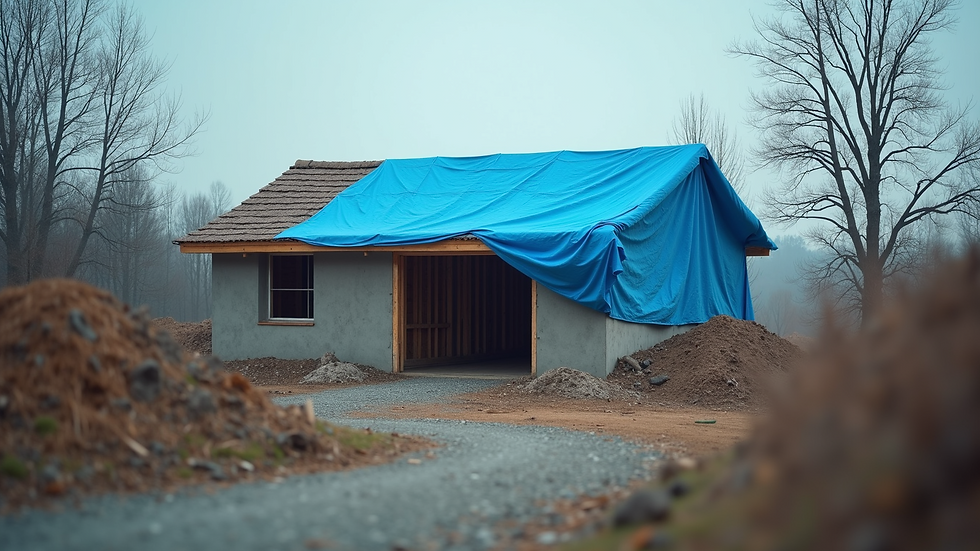
Choosing the Right Builders Tarp for Your Project
Selecting the right builders tarp depends on your specific needs. Here are some factors to consider:
Material Type
Polyethylene tarps are waterproof and affordable.
Canvas tarps are breathable and durable but less water-resistant.
Tarp Size
Measure the area you need to cover.
Choose a tarp slightly larger than the space for full coverage.
Weight and Thickness
Lightweight tarps are easier to handle but less durable.
Heavy-duty tarps offer better protection but can be bulky.
Color
Blue and green are common for builders tarps.
Choose a color that suits your visibility and aesthetic preferences.
Reinforcements
Look for tarps with reinforced edges and strong grommets.
These features improve durability and ease of securing the tarp.
UV Resistance
If the tarp will be exposed to sunlight for long periods, UV protection is important.
By considering these factors, you can select a builders tarp that meets your project’s demands and budget.
Best Practices for Using Builders Tarps on Site
To get the most out of your builders tarp, follow these practical tips:
Secure Properly: Use ropes, bungee cords, or straps through the grommets to tie down the tarp firmly. This prevents wind damage.
Avoid Sharp Edges: Place padding or protective layers between the tarp and sharp objects to avoid tears.
Regular Inspections: Check the tarp regularly for damage or wear. Repair small holes promptly to maintain protection.
Store Correctly: When not in use, fold the tarp neatly and store it in a dry place to prevent mildew and degradation.
Use Multiple Tarps if Needed: For large areas, overlap tarps and secure seams to ensure full coverage.
Following these steps helps extend the life of your builders tarp and keeps your site protected.
Enhancing Site Efficiency with Quality Tarpaulins
Using high-quality builders tarps improves site efficiency in several ways:
Faster Setup and Cleanup: Tarps are easy to deploy and remove, saving time.
Reduced Material Waste: Protection from weather reduces damage and waste.
Improved Worker Safety: Covered areas reduce hazards and improve working conditions.
Compliance with Regulations: Proper site protection helps meet environmental and safety standards.
Investing in certified, custom tarpaulins from trusted manufacturers ensures you get reliable products tailored to your needs. Cytarps And Nets, for example, focuses on delivering high-quality tarps and nets across Africa, supporting leading logistics, industrial, and construction companies.
By choosing the right builders tarp and using it effectively, you can protect your investment, improve safety, and keep your project on track.


Comments